In every successful taxi company, there is one role that keeps the entire operation moving smoothly, the taxi dispatcher. Often working behind the scenes, a taxi dispatcher ensures that passengers are picked up on time, drivers stay productive, and every trip runs efficiently. This role is the heartbeat of any taxi service, balancing communication, coordination, and real-time decision making to keep customers satisfied and fleets running without delay.
Taxi dispatchers not only connect passengers and drivers, they also manage scheduling, routing, and communication. As transportation becomes more technology driven, the role of a dispatcher has evolved from answering phone calls and radioing drivers to managing sophisticated dispatch systems that automate assignments and track vehicles in real time.
Whether you manage a small taxi company or a large transportation network, understanding the work of taxi dispatchers is essential for improving efficiency, customer satisfaction, and business profitability.
Table of Contents
What Is a Taxi Dispatcher?
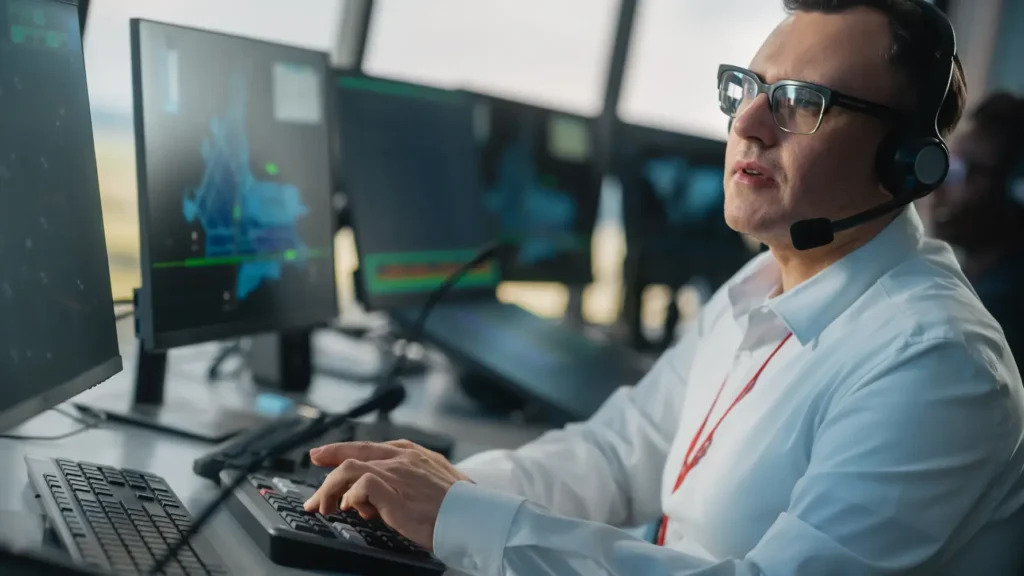
A taxi dispatcher is the central communication point between passengers and drivers. Their primary responsibility is to receive ride requests, assign available taxis to customers, and ensure every trip runs on time. Dispatchers manage everything from taking phone calls and tracking vehicles to resolving driver or customer concerns.
Â
In simple terms, taxi dispatchers act as the air traffic controllers of taxi services. They are responsible for balancing multiple moving parts, drivers, passengers, and routes, to make sure everything flows seamlessly. The job requires accuracy, fast thinking, and a calm attitude under pressure, especially during peak hours or emergencies.
Key Responsibilities of a Taxi Dispatcher

The role of a taxi dispatcher extends far beyond simply sending a driver to a location. They oversee the coordination of an entire fleet, maintain communication with customers and drivers, and handle issues as they arise. Some of the main responsibilities include:
- Receiving and Managing Ride Requests: Dispatchers handle incoming calls, messages, or app-based requests, ensuring that each one is logged and addressed promptly.
- Assigning Drivers: They identify the nearest available taxi based on the pickup location and current traffic conditions, minimizing passenger wait times and fuel waste.
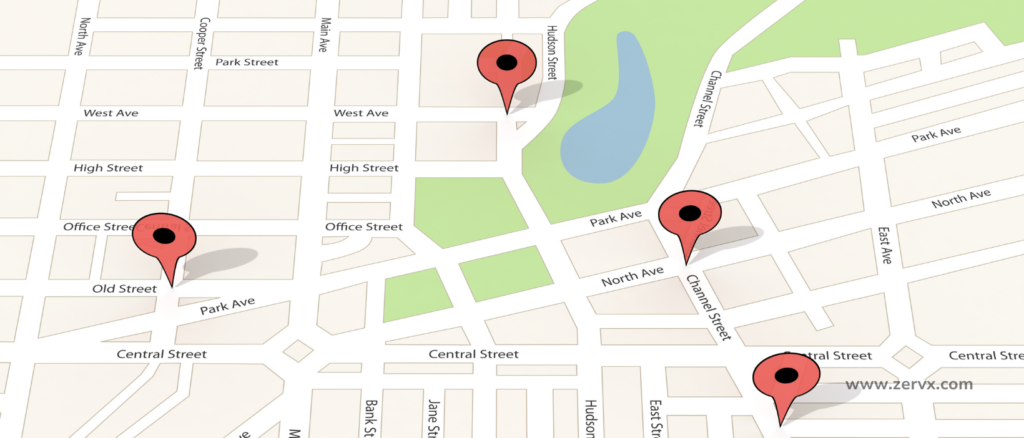
- Monitoring Vehicle Locations: Using GPS and mapping tools, dispatchers track the real-time position of taxis to manage route efficiency and safety.
- Maintaining Constant Communication: They communicate with both passengers and drivers to confirm ride details, handle changes, and respond to emergencies or unexpected events.
- Handling Complaints and Issues: Dispatchers act as mediators when customers face service problems or when drivers encounter technical or location issues.
- Recording and Reporting Data: Keeping records of completed rides, driver performance, and trip details helps taxi companies analyze trends and improve service quality.
Every decision a dispatcher makes directly impacts customer experience, fuel consumption, and overall fleet performance.
Skills and Qualities of a Professional Taxi Dispatcher
The best taxi dispatchers combine communication, problem solving, and multitasking skills with a solid understanding of geography and transportation logistics. Key qualities include:
- Strong Communication Skills: Dispatchers must communicate clearly with both drivers and passengers, ensuring accurate and timely information exchange.
- Excellent Multitasking Ability: They often handle several ride requests at once while tracking vehicles and responding to issues. The ability to stay calm and organized under pressure is essential.
- Knowledge of Local Routes: A good dispatcher knows the city layout, common traffic patterns, and alternate routes to help drivers avoid delays.
- Attention to Detail: Accuracy is vital when entering data, scheduling trips, or relaying instructions. Small mistakes can lead to big delays.
- Technical Competence: With most taxi dispatching now automated, dispatchers must be comfortable using software tools, GPS systems, and communication platforms.
- Customer Service Mindset: A professional dispatcher treats each passenger with respect, listens to complaints patiently, and ensures the best possible travel experience.
These skills combine to create dispatchers who can make fast, informed decisions that directly impact the efficiency of a taxi company.
How Taxi Dispatching Works

Taxi dispatching is a carefully coordinated process that involves communication, tracking, and data analysis. Here is how it generally works:
- Request Stage: A passenger contacts the taxi company by phone, app, or website to request a ride.
- Assignment Stage: The dispatcher or automated system reviews available drivers and assigns the nearest one to minimize waiting time.
- Communication Stage: The dispatcher informs the driver about the pickup location and passenger details while updating the passenger with estimated arrival time.
- Monitoring Stage: Throughout the ride, the dispatcher keeps track of the driver’s route, monitors traffic, and provides alternative directions if necessary.
- Completion Stage: Once the trip is finished, the dispatcher logs the ride, processes payment if needed, and prepares for the next request.
In modern fleets, much of this process is automated, yet human dispatchers remain essential for managing exceptions, customer inquiries, and operational decisions that software alone cannot handle.
The Importance of Taxi Dispatchers in the Transportation Industry
Taxi dispatchers are not just intermediaries, they are the heart of every taxi company’s operation. Here’s why they are so critical:
- They keep the system organized: Every trip, schedule, and route is tracked and coordinated.
- They improve efficiency: By assigning rides quickly, they reduce idle time and boost productivity.
- They enhance customer experience: Fast response and clear communication lead to satisfied passengers.
- They ensure safety: Real-time monitoring helps identify and respond to emergencies promptly.
- They support growth: Efficient operations mean more completed rides and happier clients.
Without dispatchers, chaos would replace coordination, and customer satisfaction would quickly drop.
Technology’s Role in Modern Taxi Dispatching

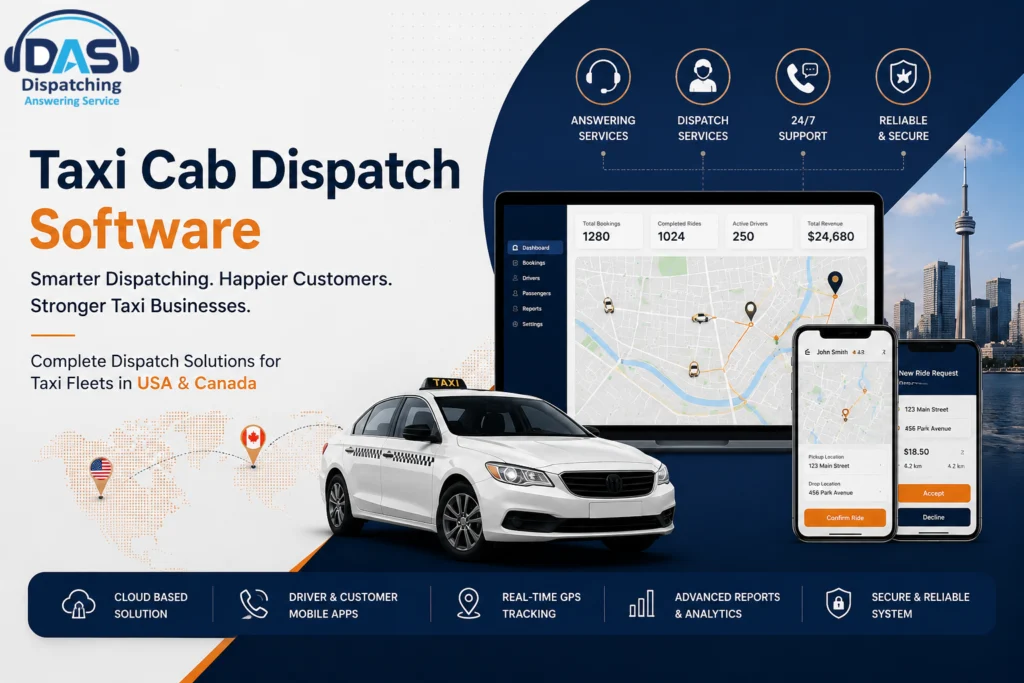
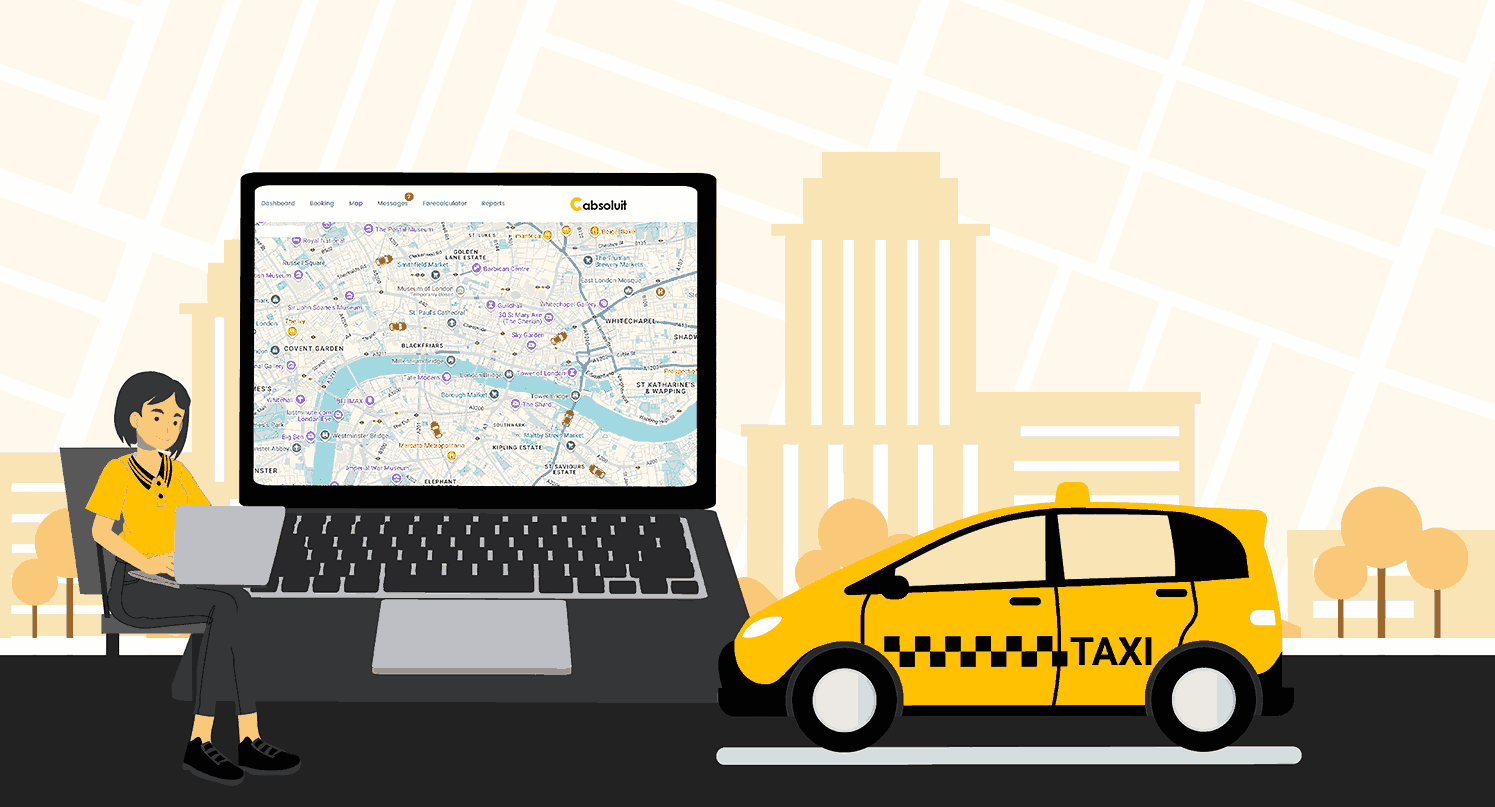
Technology has revolutionized taxi dispatching. Instead of manual logs and two-way radios, dispatchers now rely on digital dispatch platforms and GPS enabled systems that automate many parts of the process.
Dispatch Software:
Modern software systems assign rides automatically based on driver proximity and availability, ensuring faster pickups and better resource utilization.GPS and Mapping Tools:
Real-time vehicle tracking enables dispatchers to monitor routes, avoid traffic congestion, and reroute drivers instantly when needed.- Communication Apps:
Mobile applications connect drivers and passengers seamlessly, allowing instant notifications, status updates, and route confirmations. - Data Analytics:
Advanced dispatch systems collect performance data such as response time, trip frequency, and customer feedback, helping companies make better operational decisions.
This integration of technology not only improves efficiency but also provides a more transparent, customer focused experience.
Challenges Faced by Taxi Dispatchers
The job of a taxi dispatcher is demanding, and several challenges can affect performance:
- High Call Volumes:
Managing multiple requests at once can be stressful, especially during rush hours or bad weather. - Traffic and Unforeseen Delays:
Dispatchers must constantly adjust routes and reassign drivers to keep operations smooth. - Customer Complaints:
Dealing with dissatisfied passengers requires patience, empathy, and problem solving skills. - Driver Coordination:
Keeping communication open and managing a large team of drivers can be complex. - System Glitches: Software issues or technical breakdowns can disrupt dispatching operations, requiring immediate troubleshooting.
Despite these challenges, experienced dispatchers excel by staying calm, using technology effectively, and maintaining focus on customer satisfaction.
Benefits of Effective Taxi Dispatching for Taxi Companies

A skilled taxi dispatcher can dramatically improve how a company operates. Key benefits include:
Reduced Passenger Wait Times:
Efficient dispatching ensures that taxis reach passengers quickly, improving overall satisfaction.
- Optimized Fleet Usage:
Balanced vehicle allocation minimizes idle time and fuel waste. - Better Customer Experience:
Quick responses, clear communication, and reliable service lead to higher ratings and repeat customers. - Enhanced Safety and Oversight:
Dispatchers track vehicles in real time, offering quick support during breakdowns or emergencies. - Improved Profitability:
By reducing operational waste and improving ride volume, dispatchers help companies boost revenue and maintain competitiveness.
Effective taxi dispatching does not just keep cars moving, it builds the reputation and sustainability of the entire business.

Why Outsourced Taxi Dispatchers Are the Secret Behind Many Companies Success
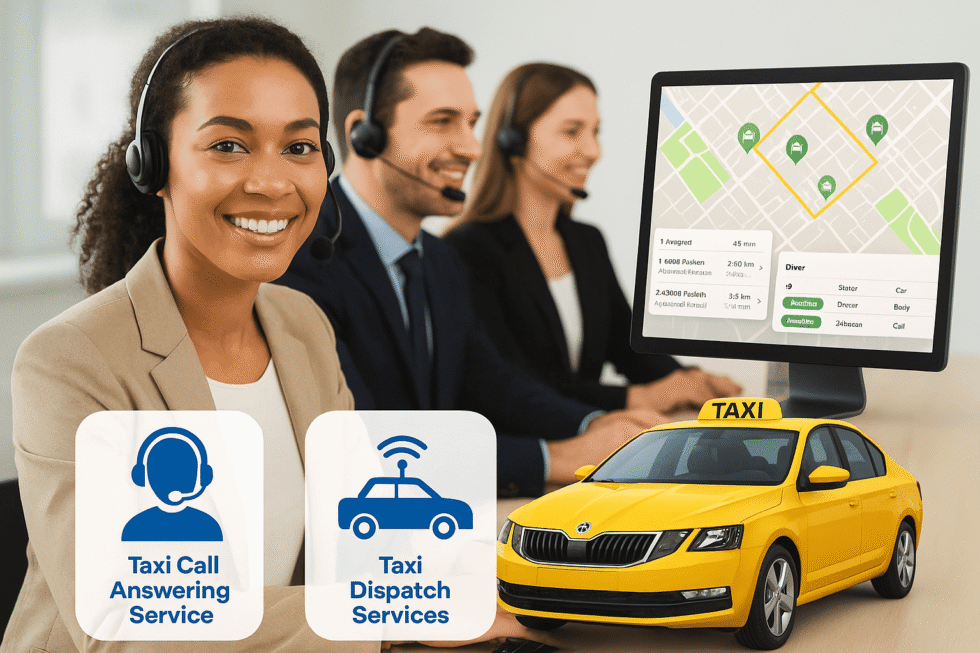
Running an in-house dispatch team sounds appealing at first, but the costs of hiring, training, managing, and retaining staff around the clock can quickly add up. That is why many forward-thinking taxi companies now outsource their taxi dispatching to professional partners.
- Cost Efficiency: Outsourcing saves you from paying full-time salaries, benefits, and training expenses. You get a professional team at a fraction of the cost, available 24/7 without worrying about staffing issues or overtime.
- Professional Expertise: Outsourced dispatchers are trained experts who handle calls, bookings, and emergencies every day. Their experience ensures smoother communication, faster ride assignments, and higher customer satisfaction.
- Scalability and Flexibility: Whether you manage 10 taxis or 100, an outsourced dispatching team can easily scale based on your business volume. There is no need to worry about hiring new staff or adjusting shifts.
- 24/7 Availability: Taxi operations never stop. With an outsourced service, you can guarantee round-the-clock support, even during holidays or peak-demand periods.
- Integrated Technology: Professional dispatching services, such as we at Dispatch Answering Services, use advanced software tools to manage calls, track fleets, and deliver real-time reports, ensuring precision and accountability.
- Additional Marketing Support: When you partner with us, you do not just get dispatching. You also receive free digital marketing support to help your taxi company attract more local customers and grow faster online.
Final Thoughts
Taxi dispatchers are the driving force behind every successful taxi operation. Their ability to coordinate drivers, manage communication, and maintain real-time efficiency ensures that passengers receive timely, reliable service.
Whether managed in-house or through a professional dispatching company, the expertise of a taxi dispatcher can transform a taxi business from chaotic to coordinated. As the transportation industry continues to evolve, skilled dispatching will remain an essential element of customer satisfaction and operational success.
Frequently Asked Questions (FAQs)
What is a taxi dispatcher?
A taxi dispatcher is a person who is responsible for coordinating ride requests between passengers and drivers. They ensure that the nearest available taxi is assigned quickly and that customers receive efficient, reliable service. Dispatchers play a key role in managing communication, tracking fleets, and optimizing routes for better performance.
What does a taxi dispatcher do?
A taxi dispatcher coordinates ride requests, assigns drivers, monitors routes, and ensures efficient and timely service for customers.
Why are taxi dispatchers important for taxi companies?
They improve efficiency, reduce costs, and enhance customer experience by managing fleets and ensuring rides run smoothly.
What skills are essential for taxi dispatchers?
Communication, multitasking, problem solving, and knowledge of local routes are key for handling high pressure situations effectively.
What are the benefits of outsourcing taxi dispatchers?
Outsourcing reduces hiring costs, provides round the clock support, and ensures experienced professionals handle your operations efficiently.
How to become a taxi dispatcher?
To become a taxi dispatcher, you typically need a high school diploma or equivalent and strong communication, organization, and multitasking skills. Many employers provide on-the-job training to teach dispatch software, radio systems, and customer service techniques. Prior experience in customer service or transportation can also be an advantage.
How much does a taxi dispatcher make?
The salary of a taxi dispatcher varies depending on experience, company size, and location. On average, taxi dispatchers in the United States earn between $30,000 and $45,000 per year, with experienced dispatchers or those working in busy cities making more.
How much do taxi dispatchers make an hour?
Hourly rates typically range from $14 to $22 per hour, depending on factors such as shift type, experience level, and location. Dispatchers working night shifts or managing large fleets may earn higher hourly wages.
How much does a taxi dispatcher make in Wilmington, NC?
In Wilmington, North Carolina, taxi dispatchers earn an average of $16 to $19 per hour, or roughly $33,000 to $40,000 per year, based on local job listings and market data. Pay may vary depending on the employer and experience level.
How to start a taxi dispatcher business?
Starting a taxi dispatch business involves several steps:
- Research local transportation regulations and licensing requirements.
- Choose reliable dispatch software for managing calls and routes.
- Build partnerships with local taxi companies or drivers.
- Hire trained dispatchers or outsource dispatch operations to a professional provider like Dispatch Answering Services.
- Promote your business online through digital marketing and local SEO to attract clients.
Launching a dispatch business can be highly rewarding when supported by efficient technology and skilled dispatchers.